

At some point, we all hit a moment where we think: I need help with this money stuff.
Maybe your income went up and you’re wondering what to do with it. Or you’re getting crushed by credit card debt and don’t know where to start. Or you’re planning a major life shift — marriage, a house, a baby, retirement — and suddenly the stakes feel very real.
That’s where financial advice comes in. But figuring out who to trust, what you actually need, and what it’s going to cost? That’s a whole other puzzle.
This guide breaks it all down: how financial advice works, how different types of advisors get paid, and how to find the right help for your specific situation.
What Exactly Is Financial Advice?
“Financial advice” is a big umbrella. It can mean everything from a one-time budgeting tip to a comprehensive retirement strategy. At its core, it’s guidance from a professional (or sometimes an algorithm) to help you make smarter decisions with your money.
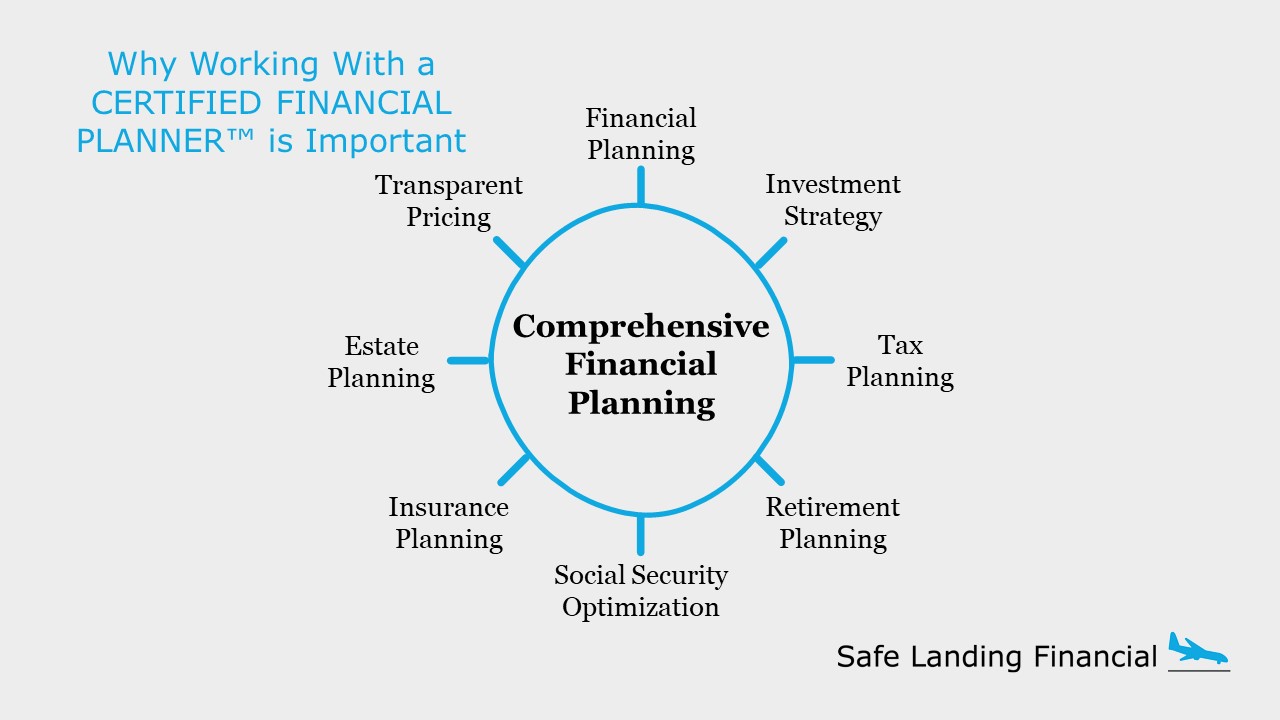
Depending on who you ask, financial advice can include:
- Budgeting and cash flow planning
- Debt payoff strategies
- Investment guidance (or management)
- Retirement planning
- Tax planning
- Insurance analysis
- Estate planning
- Big-picture life goals (buying a house, changing careers, etc.)
Some people want help with everything. Others just need a second opinion on their 401(k). The point is: there’s no one-size-fits-all.
The Three Big Ways Financial Advisors Get Paid
Understanding how an advisor makes money is crucial — because it affects the advice you get.
1. Fee-Only Advisors
These folks only get paid by you, the client. No commissions. No kickbacks. Just a flat fee, hourly rate, or percentage of the assets they manage.
Pros: Least conflict of interest. Advice is aligned with your best interest.
Cons: Can be expensive upfront. Not always accessible for smaller portfolios.
2. Commission-Based Advisors
These advisors earn money by selling products: mutual funds, insurance, annuities, etc. Think big brokerage firms or insurance reps.
Pros: May be free on the surface.
Cons: Big conflict of interest — they’re incentivized to sell, not necessarily to serve.
3. Fee-Based (Hybrid) Advisors
These are a blend: they may charge a fee but also earn commissions on products. You need to ask exactly how they get paid.
Bottom line: Ask every advisor how they make money before you sign anything.
Types of Financial Advisors (And How to Know What You Need)
There are a lot of titles out there, and not all of them mean much. Here’s a breakdown of the most common types:
| Type | Credentials | What They Do | Best For |
|---|---|---|---|
| Certified Financial Planner (CFP) | CFP Board Certified | Holistic, fiduciary advice | Long-term planning, life events |
| Registered Investment Advisor (RIA) | SEC or state-registered | Investment management, some planning | Mid-to-high net worth investors |
| Robo-Advisors (e.g. Betterment, Wealthfront) | Algorithm-driven | Automated portfolio management | Hands-off investing, low fees |
| Broker/Dealer | FINRA registered | Product sales, some planning | Product-focused strategies |
| Insurance Agent | State licensed | Sells policies, some financial products | Life/disability/annuities |
| Financial Coach | No certification required | Budgeting, debt, habits | Early-stage or DIY money help |
Common Real-Life Reasons to Seek Financial Advice
Not sure if you need help? If you’re in any of these camps, a little guidance can go a long way.
You’ve just gotten a raise or inheritance
This is a prime time to not let lifestyle creep eat your gains. A planner can help structure a plan that builds wealth instead of spending it.
You’re drowning in debt
A financial coach or nonprofit credit counselor can help build a realistic plan without judgment.
You’re planning a major life change
Marriage, divorce, kids, moving, starting a business — all great reasons to get a second opinion on your money strategy.
You’re 10+ years from retirement and have no plan
A CFP can help model your savings, adjust for inflation, and make your retirement less “uh-oh” and more “I got this.”
You’re retired and don’t want to run out of money
Now it’s about income distribution, taxes, and keeping your nest egg safe but productive.
You’re self-employed and your finances are a mess
A fiduciary advisor can help with tax-efficient investing, SEP IRAs, and separating business from personal.
What “Fiduciary” Really Means (And Why You Should Care)
If there’s one word to care about when hiring a financial advisor, it’s this: fiduciary.
A fiduciary is legally obligated to act in your best interest. No commissions. No pushing products just because they make money off them.
Quote to remember:
“If your financial advisor won’t put it in writing that they’re a fiduciary, run.”
How to Vet a Financial Advisor (Without Feeling Dumb)

You don’t need to be rich or an expert to ask smart questions. Here’s a list to bring to your first meeting:
- “How do you get paid?”
- “Are you a fiduciary at all times?”
- “Do you have any disciplinary history?”
- “What services are included — and what costs extra?”
- “Do you get commissions for any products you recommend?”
- “Do you specialize in clients like me (e.g., business owners, retirees, newly married)?”
You can also look up advisors on:
- NAPFA (fee-only advisors)
- XY Planning Network (Gen X/Y focused planners)
- BrokerCheck (FINRA background search)
- CFP Board (verify credentials)
What Does Financial Advice Cost?
The answer: it depends.
| Service Type | Cost Structure | Typical Price Range |
|---|---|---|
| Flat fee (1-time plan) | One-time project | $1,000 – $3,000 |
| Hourly advisor | Pay as you go | $150 – $500/hour |
| AUM-based (Assets Under Management) | % of portfolio | 0.25% – 1.25% per year |
| Robo-advisors | % of assets | ~0.25% per year |
| Financial coach | Hourly or monthly | $50 – $200/hour |
Do You Even Need a Human Advisor?
Maybe, maybe not.
A robo-advisor might be perfect if you want a low-cost, hands-off investing experience.
But if your finances are more complex — or your brain spirals into decision fatigue every time you open your bank app — a good human advisor can pay for themselves in peace of mind alone.
The Bottom Line
Financial advice isn’t just for the wealthy. It’s for anyone who wants to make smarter choices and feel less overwhelmed about money.
Whether you’re planning for retirement, recovering from debt, or just trying to figure out what the heck to do with your savings, the right financial advice can make all the difference.
Just remember: not all advice is created equal. Ask questions. Understand incentives. And don’t be afraid to walk away if something feels off.