
So you’re thinking about getting a personal loan. Maybe it’s for consolidating debt, covering a medical bill, funding a home project, or just giving yourself some financial breathing room. Whatever your reason, personal loans can be a smart tool — or an expensive trap — depending on how you use them.
Let’s walk through what they are, how they work, who they’re best for, and what to look out for before signing the dotted line.
What Is a Personal Loan?
A personal loan is a lump-sum loan you pay back in fixed monthly installments over a set period — usually 2 to 7 years. It’s unsecured, meaning no collateral is required (unlike a car or mortgage loan). Lenders base approval mostly on your credit score, income, and debt-to-income ratio.

Common uses for personal loans:
- Paying off high-interest credit card debt
- Covering emergency expenses
- Funding big one-time costs (weddings, moves, repairs)
- Medical procedures not covered by insurance
Rates vary widely — from as low as 6% APR (for excellent credit) to 36% APR (for lower scores). That’s why understanding your credit profile matters a lot.
When a Personal Loan Makes Sense
“If you’re borrowing to reduce interest, not to increase your lifestyle, you’re on the right track.”
A personal loan can make financial sense if:
- You’re consolidating multiple debts into one lower-interest monthly payment
- You’ve got a big, necessary expense and a realistic plan to repay it
- You want fixed monthly payments and a set payoff date
- You qualify for a better APR than your current credit card or financing options
Where people go wrong? Borrowing more than they need — or worse, using a personal loan to cover lifestyle creep (vacations, shopping sprees, etc.).
Pros and Cons of Personal Loans
Predictable payments and fixed interest rates make budgeting easier.
One of the biggest draws of a personal loan is stability. You get a fixed interest rate, a set repayment schedule, and consistent monthly payments — which makes financial planning a whole lot simpler. For example, if you borrow $15,000 to consolidate credit card debt at 9% APR over 5 years, you know exactly what you owe each month and when you’ll be debt-free. Compare that to juggling multiple credit cards with variable rates, and the clarity is a huge win.
Flexible loan terms can match your financial reality.
Most lenders let you choose repayment terms ranging from 24 to 84 months. That flexibility helps tailor the monthly payment to your cash flow. Say you’ve got a solid income and want to pay the loan off fast — you could opt for a 2-year term and save on interest. But if you’re stretched thin, a longer term can reduce the payment amount, easing short-term pressure (just be aware it usually costs more over time).

You don’t need to put up collateral.
Unlike home equity loans or auto loans, personal loans are unsecured. That means you don’t have to risk your house, car, or other assets to qualify. This is a big plus if you’re renting, don’t own major property, or just don’t want to tie your debt to anything you could lose. For instance, if you’re covering a surprise medical bill or moving across the country for a job, you might not have the assets to back a loan — and with a personal loan, you don’t need them.
They can improve your credit mix and even your score — if used responsibly.
Adding an installment loan to a credit report that’s heavy on revolving debt (like credit cards) can actually boost your credit score over time. It shows you can manage different types of credit. Plus, if you use the loan to pay off high-interest cards and keep those balances low, your credit utilization drops — which is another score booster. But that only works if you don’t run up the credit cards again.
Pros:
- Fixed interest rates and monthly payments
- Flexible terms (often 24 to 84 months)
- No collateral required
- Can improve credit mix and score if managed well
Interest rates can climb fast if your credit isn’t great.
Here’s the harsh truth: the advertised low rates (sometimes under 8%) are reserved for people with excellent credit. If your FICO score is under 660, you might see offers with APRs in the 20–30% range — which starts to feel a lot like a credit card. For example, someone with fair credit looking to borrow $10,000 might end up paying over $16,000 over a 5-year term once interest is factored in. In those cases, it’s worth asking: is this loan actually helping, or just shifting the problem?

Origination fees reduce the cash you actually receive.
Many lenders charge an upfront fee — usually 1% to 8% of the loan amount — which gets deducted before the money even hits your account. So if you’re approved for a $20,000 loan with a 6% origination fee, you’ll only get $18,800, but you’ll still owe interest on the full $20,000. That matters if you’re relying on every penny of the loan for something time-sensitive, like contractor deposits or tuition payments.
Some loans penalize you for trying to pay off early.
You’d think paying a loan off ahead of schedule would be a good thing — and it is for you. But it’s not always good for the lender. That’s why some personal loans include prepayment penalties, especially from smaller or niche lenders. If you’re the type who aggressively pays down debt once your income increases, you’ll want to check this clause. For example, if you land a bonus at work and want to knock out the last $3,000 of your loan early, you might face an extra $150 fee just for doing the responsible thing.
They can create a false sense of affordability and lead to overspending.
There’s a psychological danger in having a big lump sum hit your bank account. It can feel like found money — especially if the monthly payments are small. That’s how personal loans sometimes tempt people to borrow more than they need. For example, someone might take out $25,000 instead of the $15,000 needed to pay off credit cards, just because “the monthly payment isn’t that much higher.” But that extra $10,000 might go toward a vacation, new furniture, or lifestyle upgrades that weren’t necessary — and now you’re paying for them for five years.
Cons:
- Interest rates can be high if credit is poor
- Origination fees (typically 1–8%) cut into your loan upfront
- Prepayment penalties (on some loans) limit early payoff
- Can tempt overspending

Personal Loan Providers And How They Stack Up
Here’s a comparison of some of the most well-known personal loan lenders in the U.S., including a breakdown of reputation, rates, and fine print.
| Lender | APR Range | Loan Amounts | Notes |
| SoFi | 8.99% – 25.81% (with AutoPay) | $5,000 – $100,000 | No fees, unemployment protection program, excellent credit required for best rates |
| LendingClub | 9.57% – 35.99% | $1,000 – $40,000 | Charges origination fees (2%–6%), good for debt consolidation |
| LightStream (Truist) | 7.49% – 25.49% (AutoPay) | $5,000 – $100,000 | No fees, fast funding, excellent credit required |
| Upgrade | 8.49% – 35.99% | $1,000 – $50,000 | Offers secured loans and joint applications, origination fees apply |
| Upstart | 6.40% – 35.99% | $1,000 – $50,000 | Uses AI for approvals, friendly to new credit users, high origination fees |
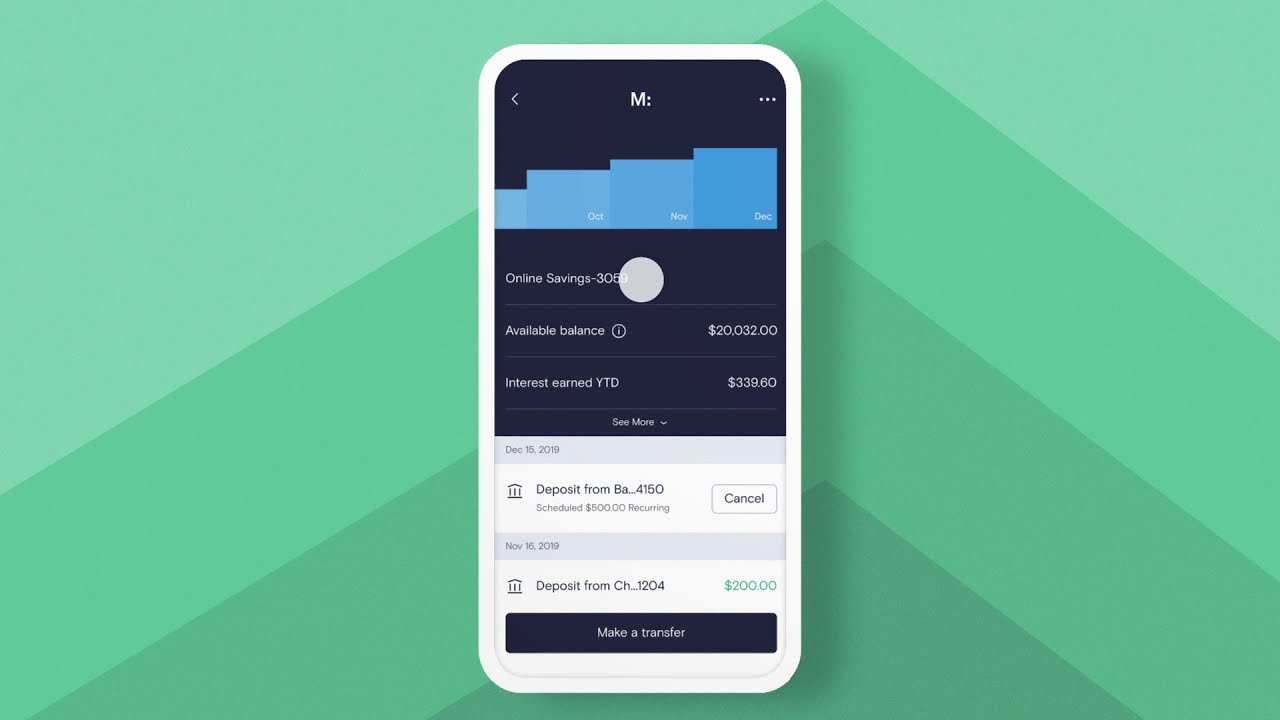
| Marcus by Goldman Sachs | 6.99% – 28.99% | $3,500 – $40,000 | No fees, customizable payment dates, solid reputation |
How to Qualify (and Get the Best Rate)
If you want the good rates — the kind you can actually afford — here’s what to focus on:
- Debt-to-income ratio: Keep your DTI under 40% to show lenders you’re not stretched thin.
- Income stability: The more consistent your paycheck, the better.
- Loan amount and purpose: Be clear about how much you need and why — lenders care.
Pro tip: Prequalify with a soft credit check from multiple lenders before applying. That way you can compare real offers without hurting your score.
Watch for These Sneaky Terms in the Fine Print
Even “good” personal loans can come with traps. Here’s what to look out for:
Origination fees: This is money taken out before you get your loan. A 6% fee on a $10,000 loan means you only get $9,400 — but pay interest on the full $10K.
Prepayment penalties: Some lenders charge you for paying off early. Avoid that if you plan to pay ahead.
Late payment fees: These can be steep. Set up autopay if you can.
Insurance upsells: Some lenders try to sell you optional (but expensive) protection plans. You can usually skip these.
What to Do Before You Apply
Here’s your smart borrower checklist:
✔ Check your credit score on a free site (Credit Karma, Experian)
✔ Use a personal loan calculator to estimate monthly payments
✔ Shop rates with at least 3–5 lenders (using soft credit checks)
✔ Read the full loan agreement — yes, all of it
✔ Have a budget plan for repayment before the money hits your account
The Bottom Line
A personal loan isn’t free money — it’s a structured way to borrow that can either help you clean up your finances or dig you in deeper. The difference comes down to planning, transparency, and making sure the math actually works in your favor.
If you’re borrowing to get ahead, not just to catch up, a personal loan can be a useful tool. Just make sure the tool isn’t using you back.